8 hr 30 min
Wachau Valley & Melk Abbey Day Trip with Danube Cruise
- Expert local guide
- Small group
- Skip-the-line access
- Free cancellation
Wachau Valley Wine Tour — Guided Tastings & Vineyard Visits
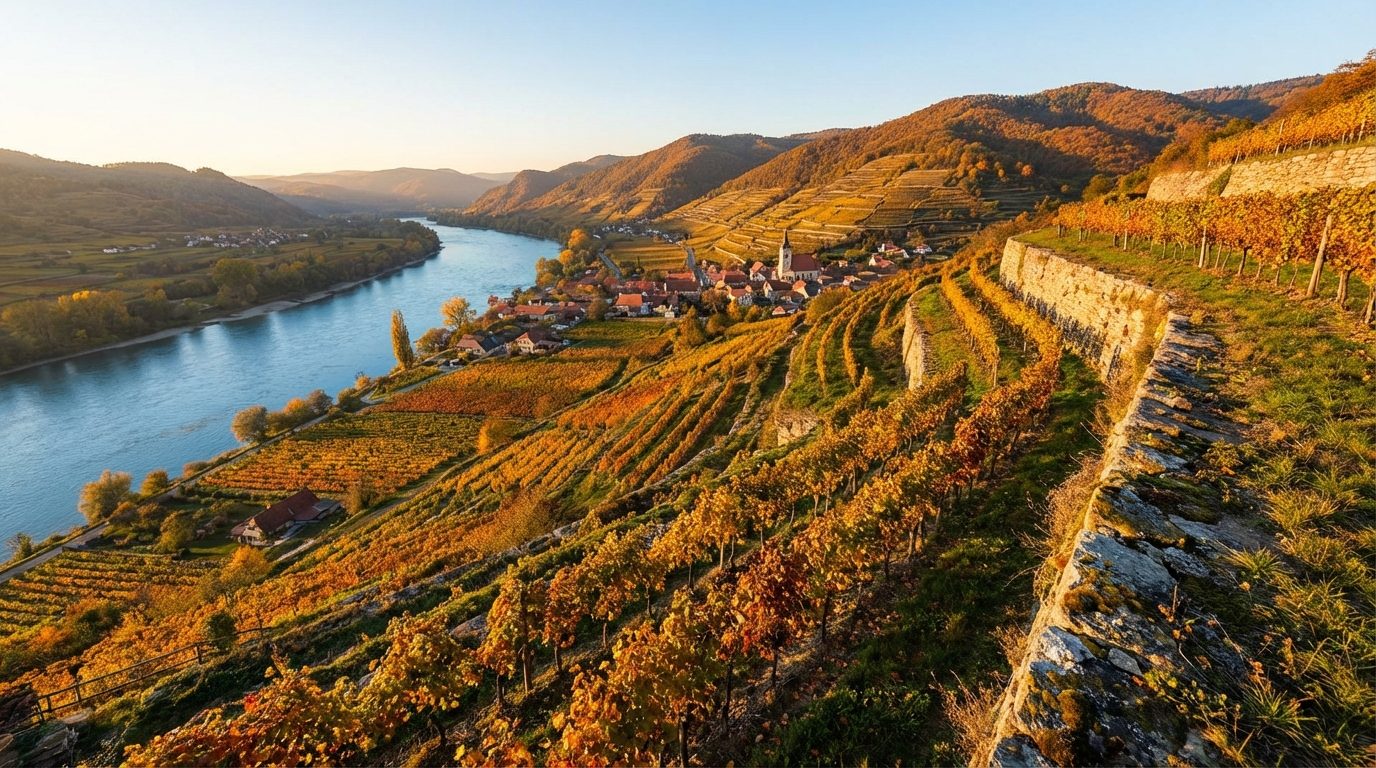
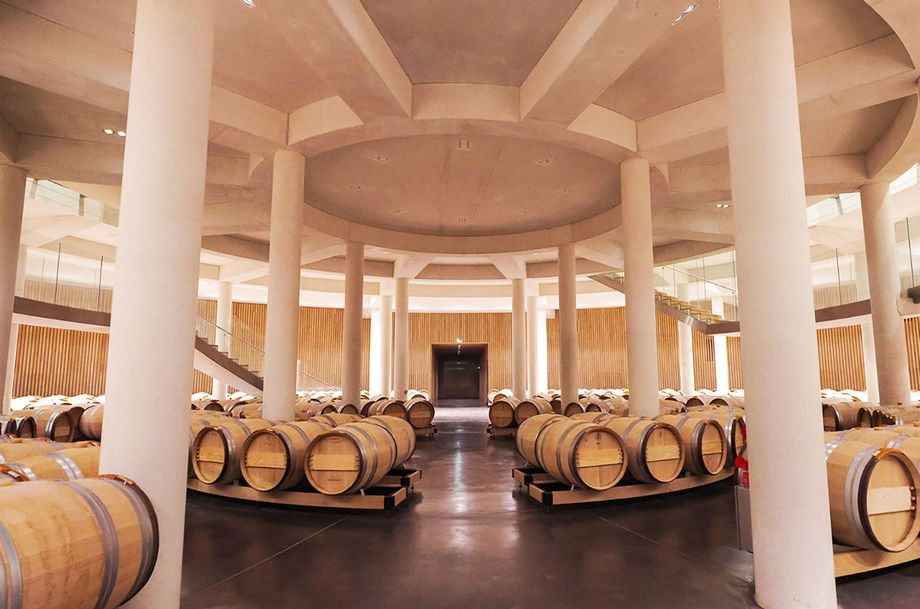
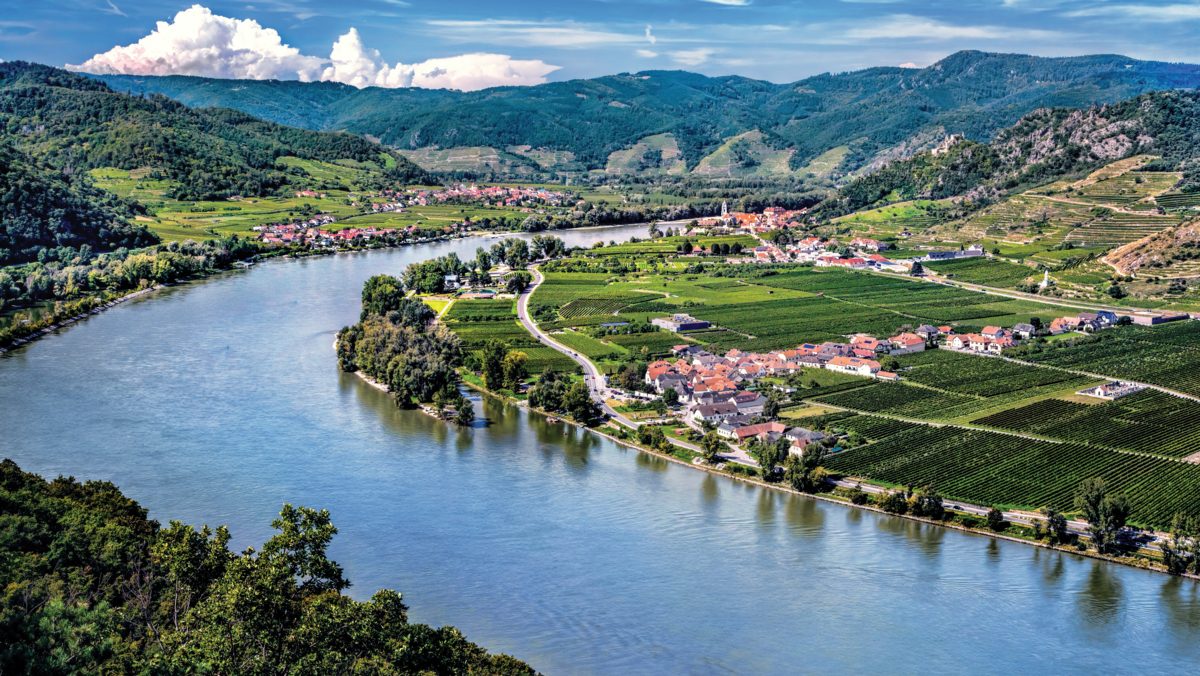
Terraced vineyards above the Danube, century-old cellars pressed into stone
Compare fares, pick the fit — all bookings are mobile-voucher and eligible for free cancellation where shown.
8 hr 30 min
11 hr
9 hr
| Experience | Duration | Rating | Skip-the-line | Guide | Small group | Free cancel. | Price | |
|---|---|---|---|---|---|---|---|---|
|
Guided Experience
Most popular
Wachau Valley & Melk Abbey Day Trip with Danube Cruise
|
8 hr 30 min | ★ 4.5 | ✓ | ✓ | ✓ | ✓ | €119 | Book → |
|
Guided Experience
Wachau Valley Wine & Bike Tour from Vienna
|
11 hr | ★ 4.8 | ✓ | ✓ | ✓ | ✓ | €139 | Book → |
|
Guided Experience
Wachau Valley Wine Tour with Danube Cruise
|
9 hr | ★ 4.7 | ✓ | ✓ | ✓ | ✓ | €199 | Book → |
Hand-picked experiences loved by thousands of travelers
10 hours
Free Cancellation
Journey through Austria's stunning Wachau wine region with visits to three historic Danube towns
13 hours
Free Cancellation
Journey through Austria's UNESCO valleys, baroque splendor, alpine villages, and Mozart's homeland in one unforgettable day.
12 hours
Free Cancellation
Journey through the Austrian Alps to explore a stunning lakeside village with free time and scenic stops
13 hours
Free Cancellation
Small-group minivan adventure through UNESCO vineyards, baroque monasteries, and alpine lakeside villages
10 hours 30 minutes
Free Cancellation
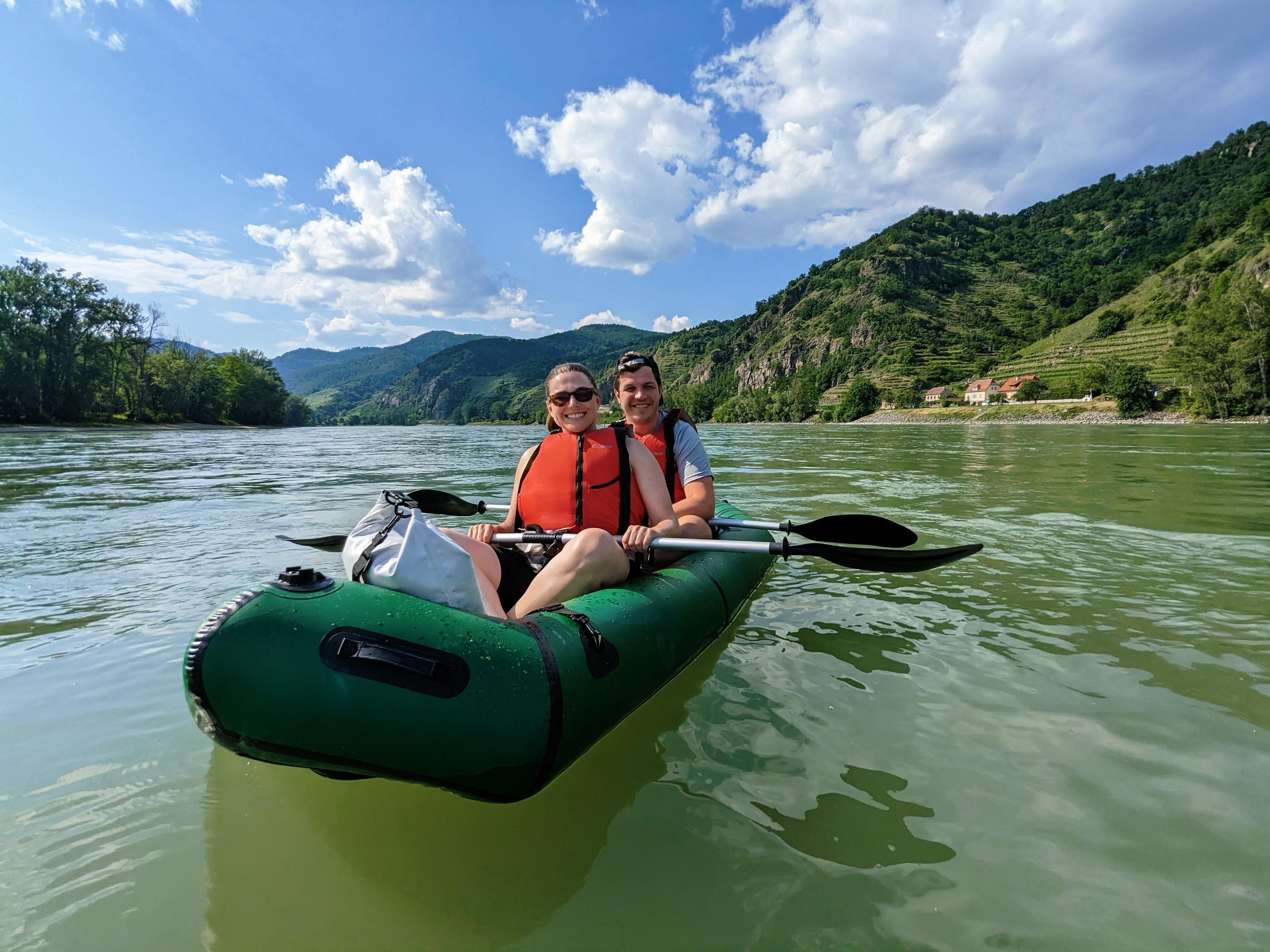
Paddle the Danube through Austria's wine country, visit local wineries, and explore medieval Dürnstein
8 hours
Free Cancellation
Discover Wachau Valley's treasures with a dedicated English-speaking driver on this full-day private excursion
1.5 hours
Free Cancellation
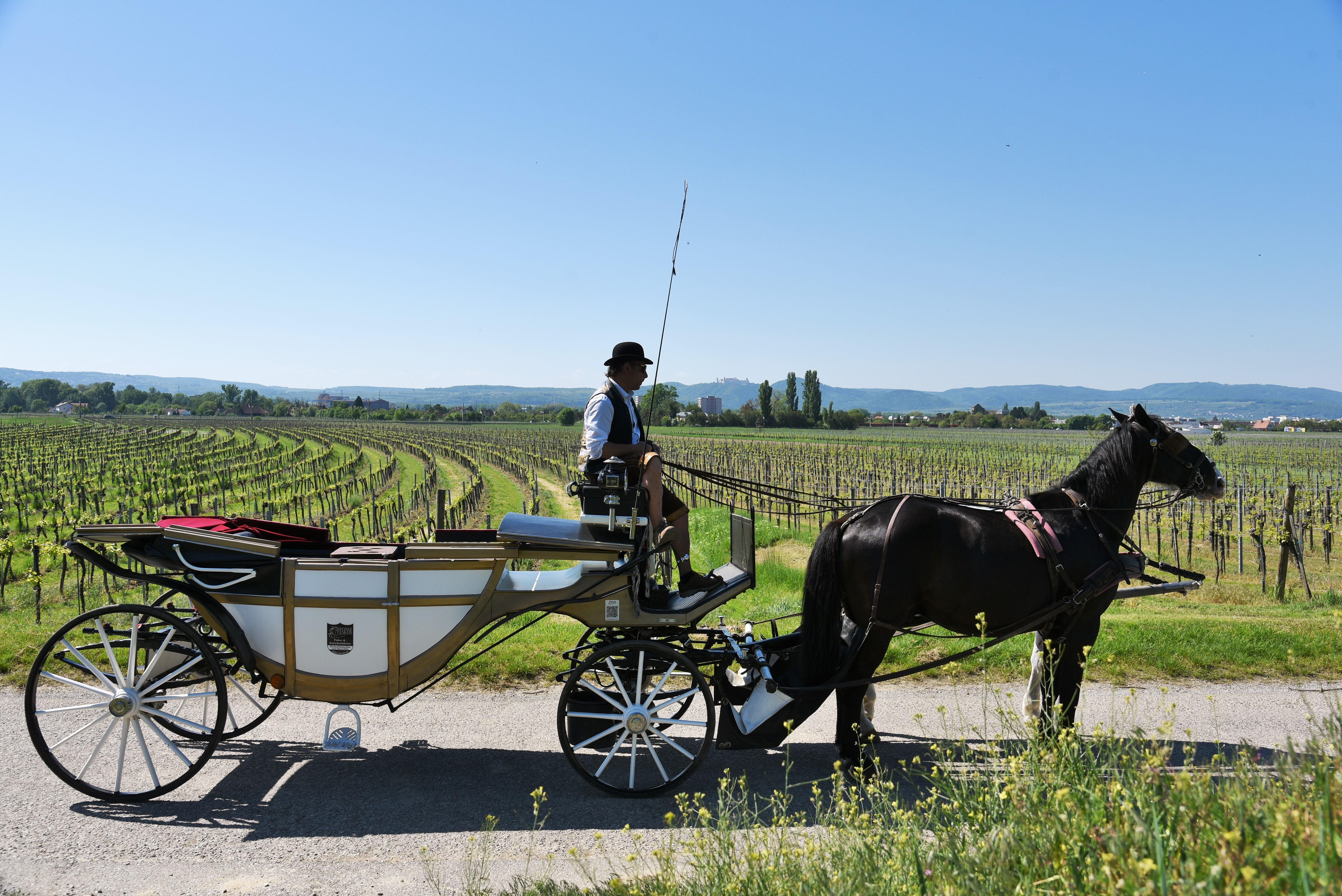
Private horse-drawn carriage journey through Krems vineyards with sparkling wine and gourmet sandwiches
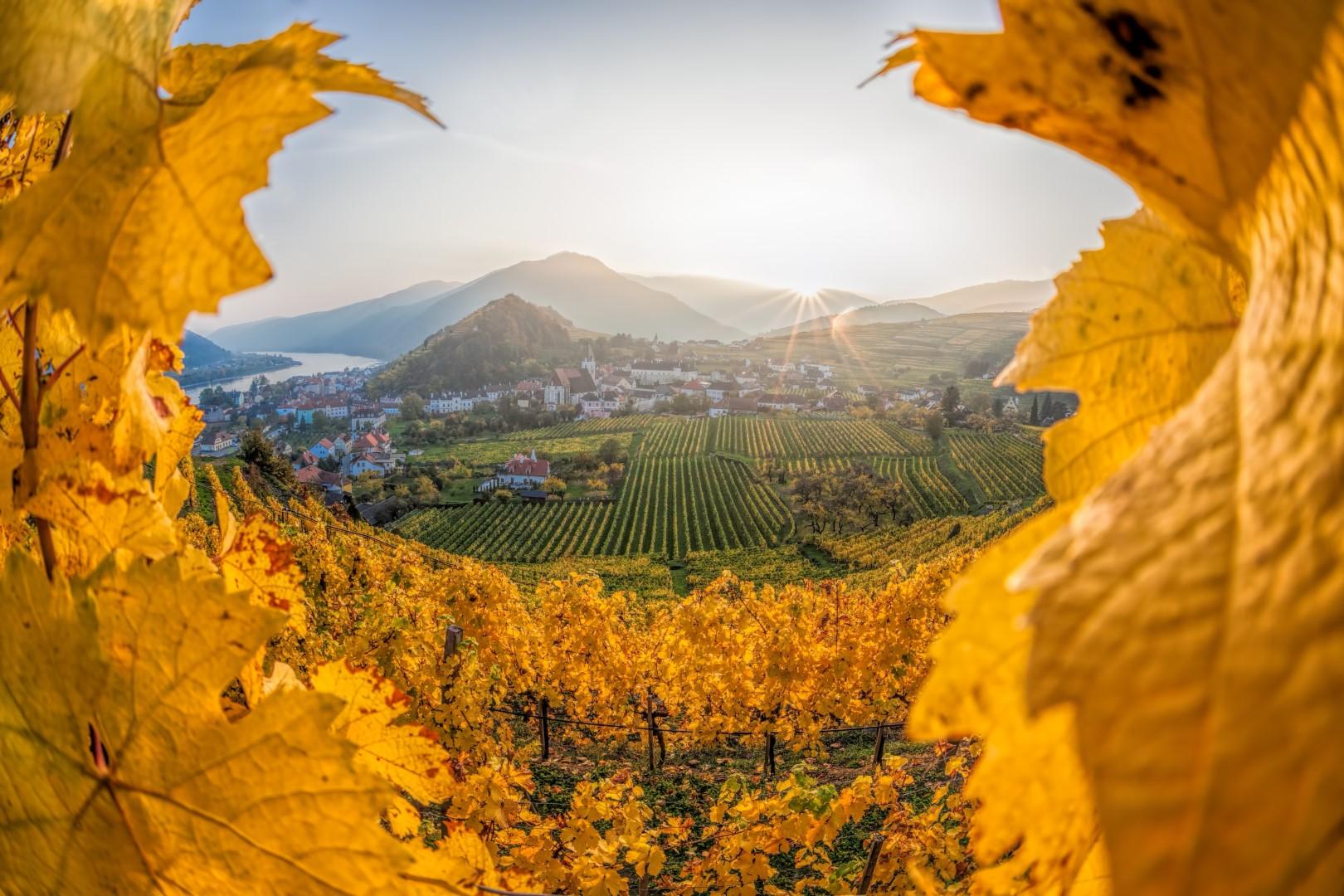
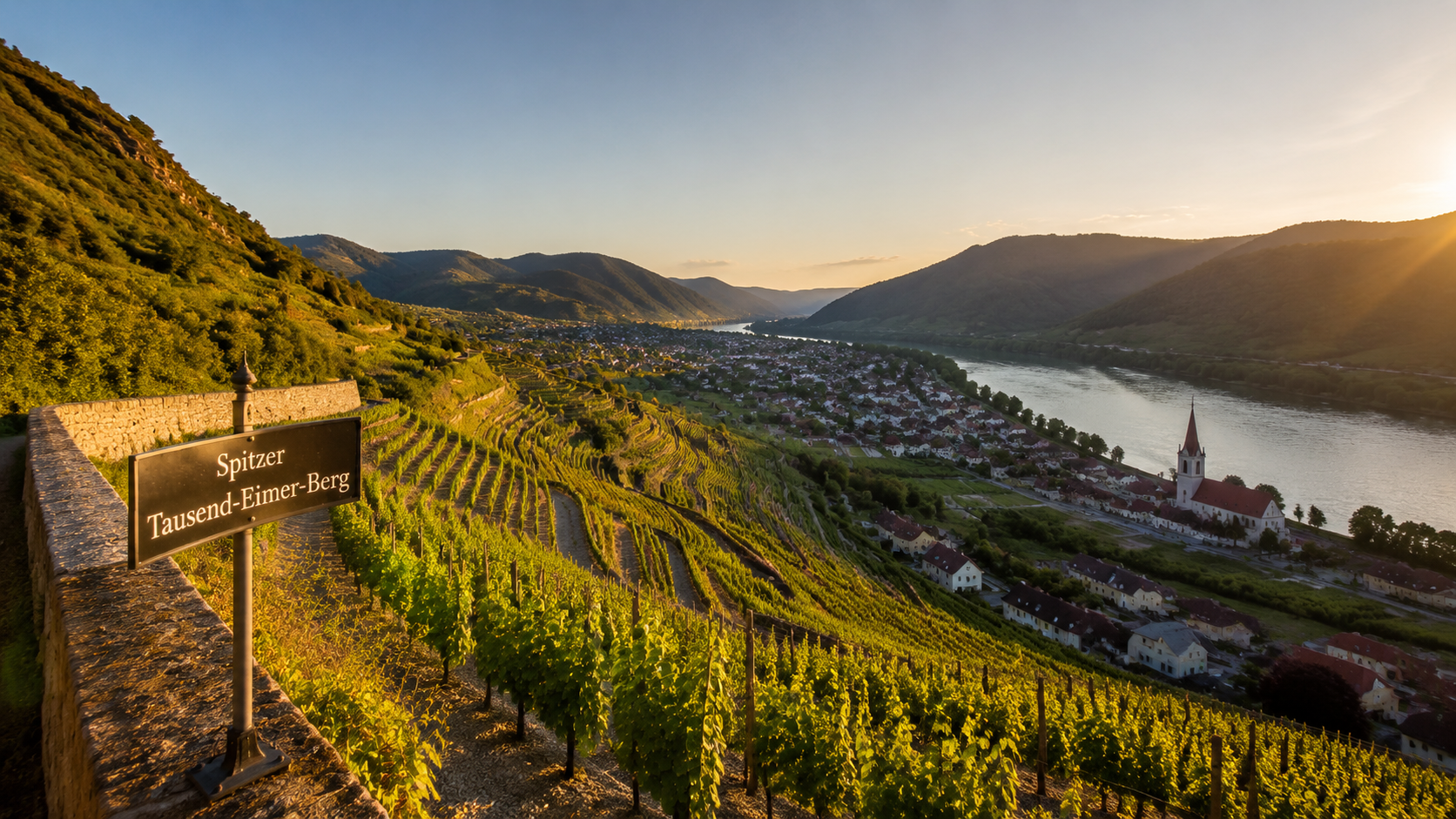
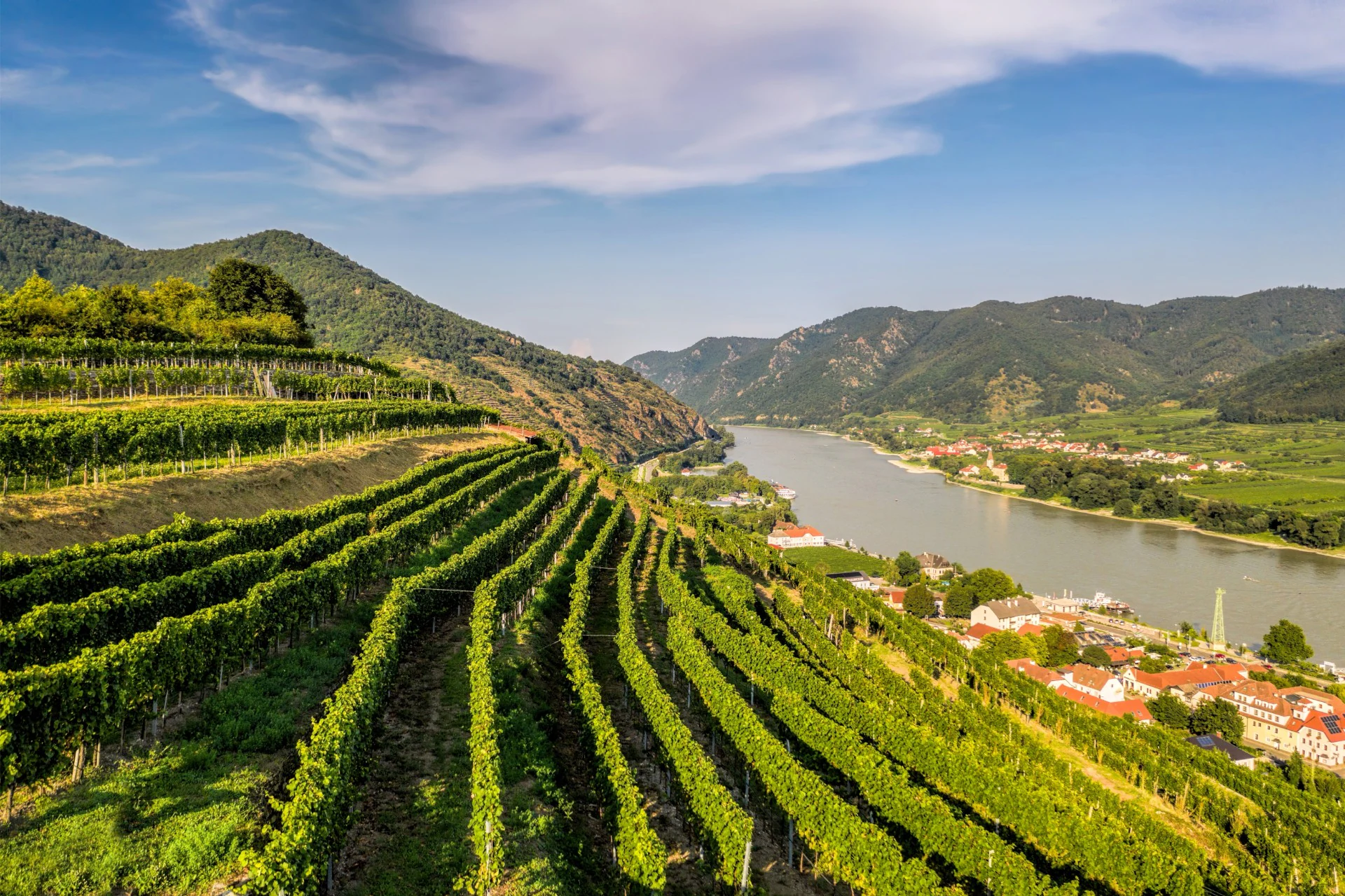
These historic stone-walled terraces create the signature landscape for the wachau valley wine tour and have been used for centuries.
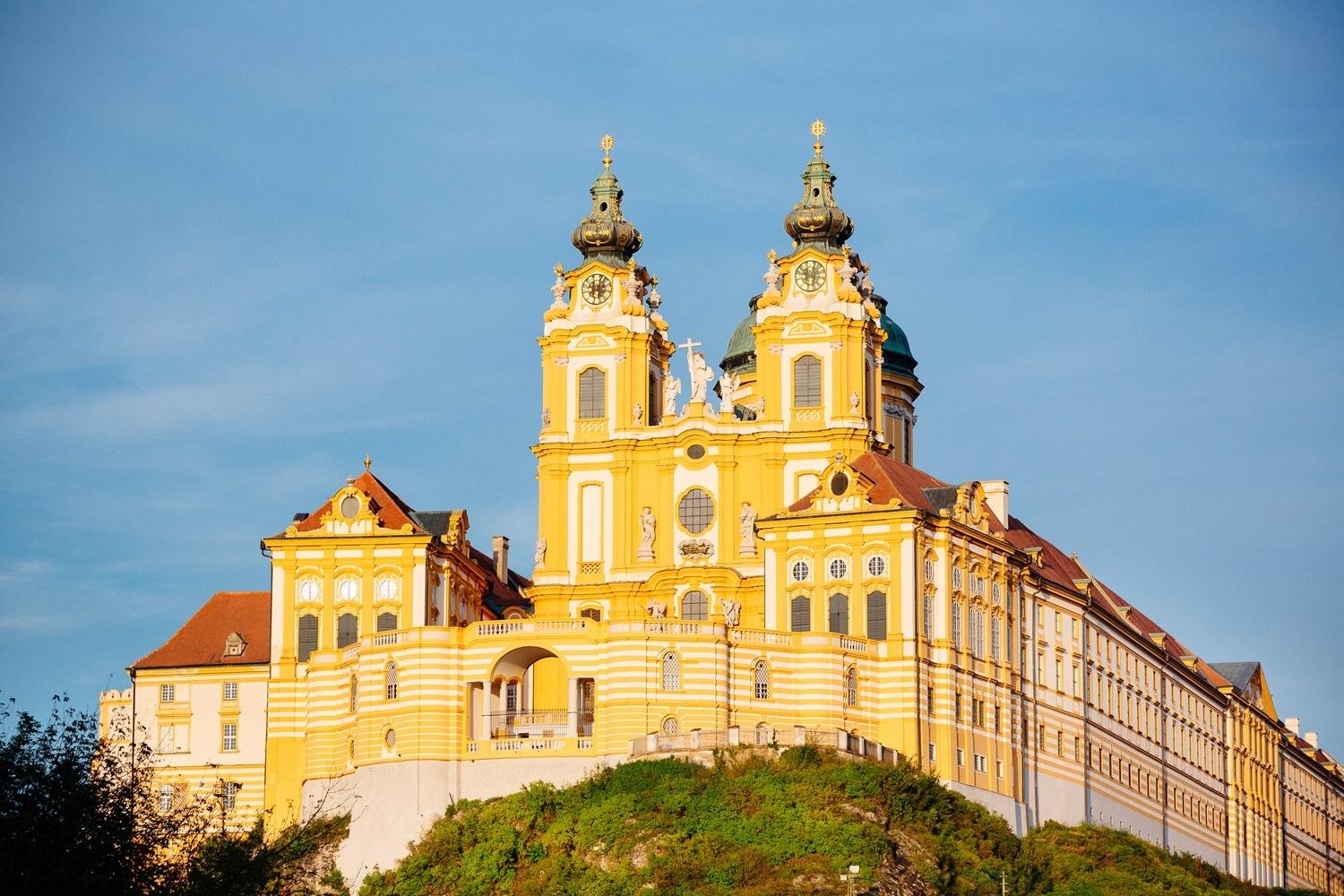
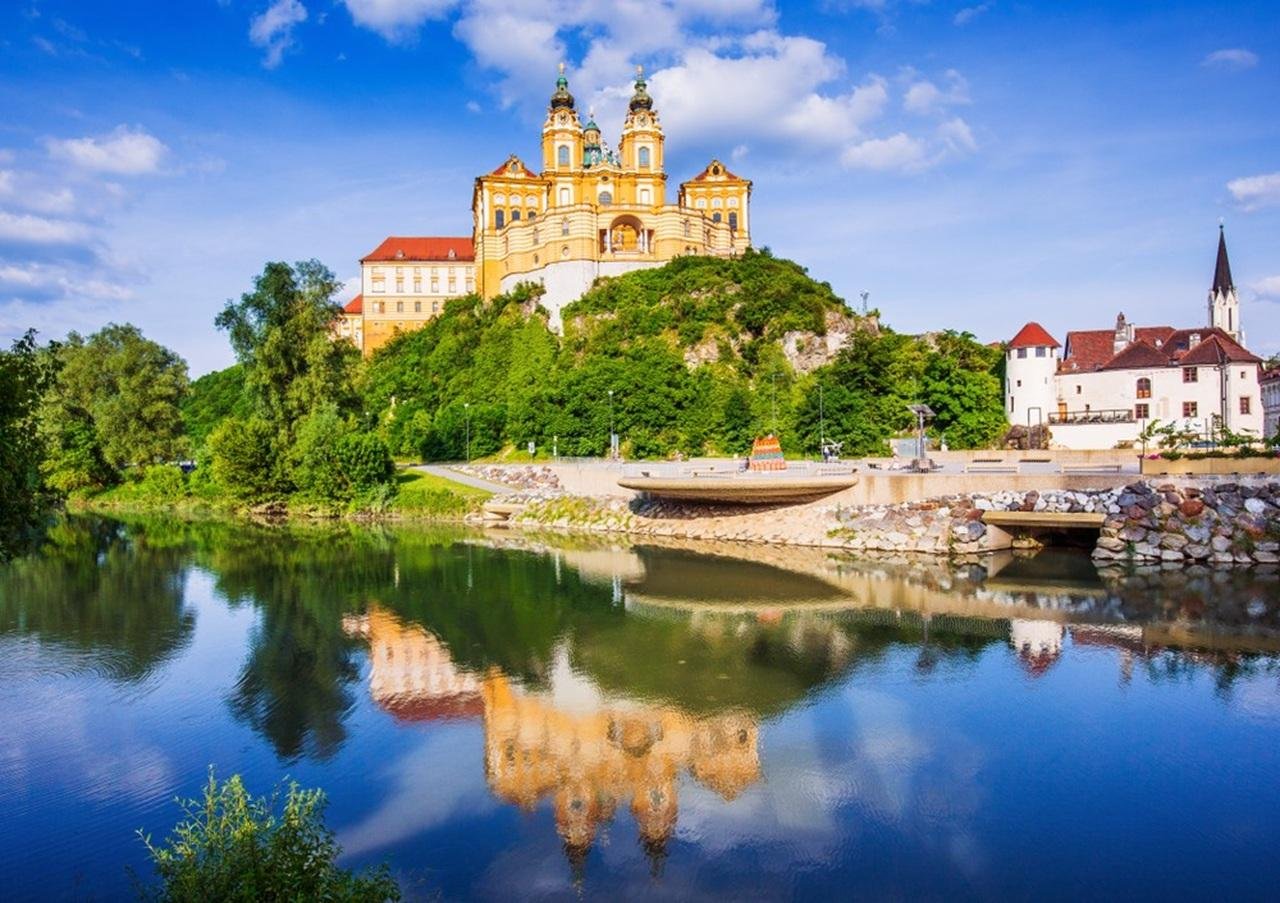
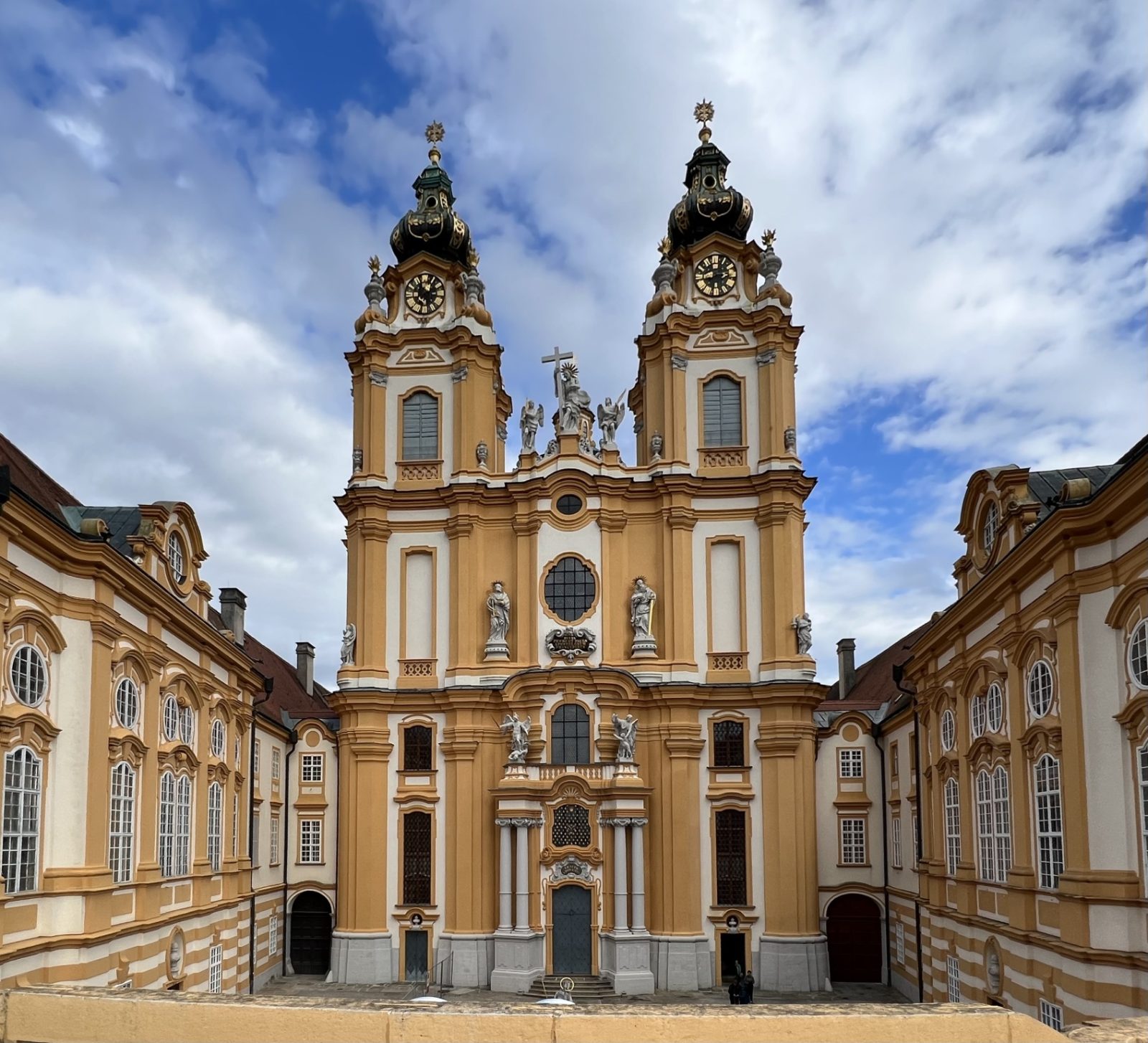
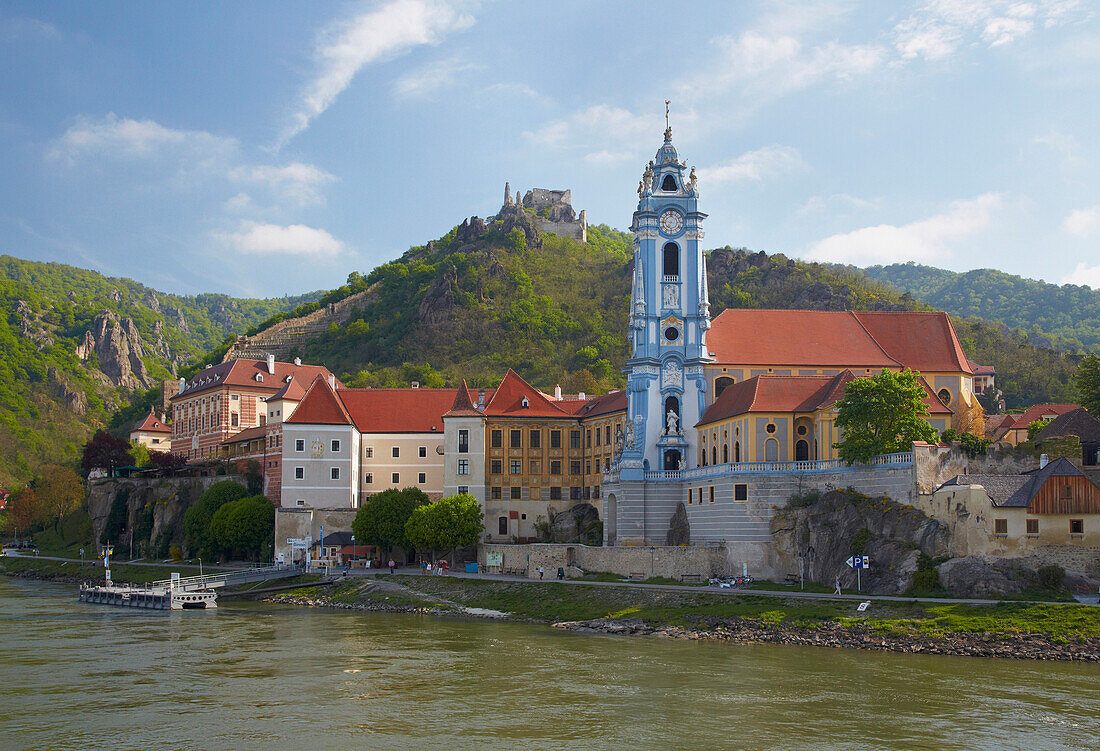
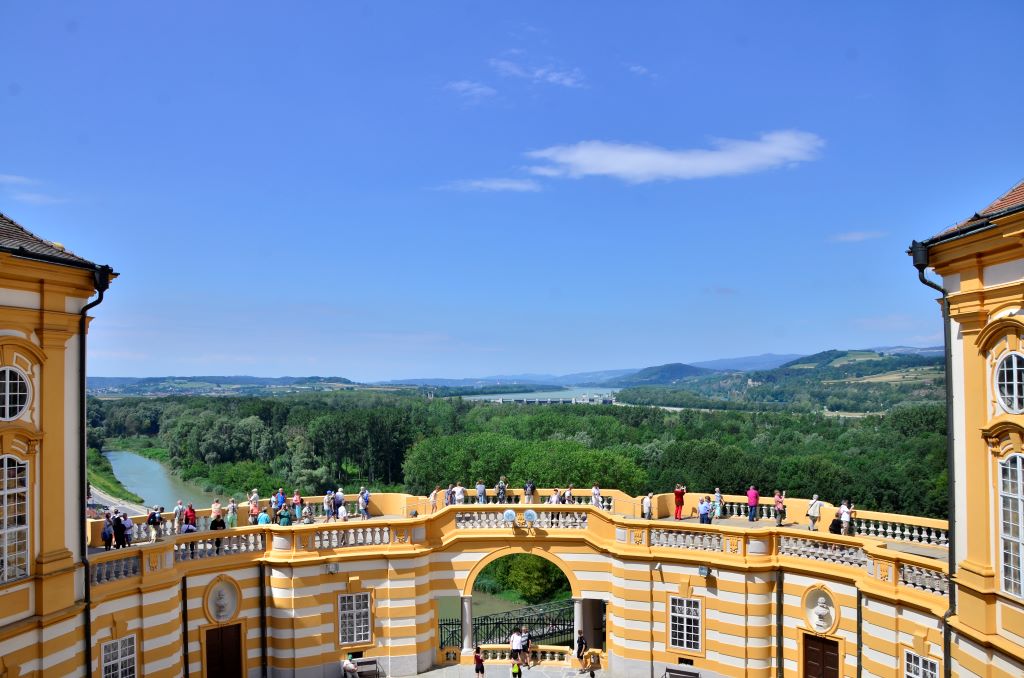
This massive Benedictine abbey houses an impressive library and holds significant historical importance near the start of the wachau valley wine tour.
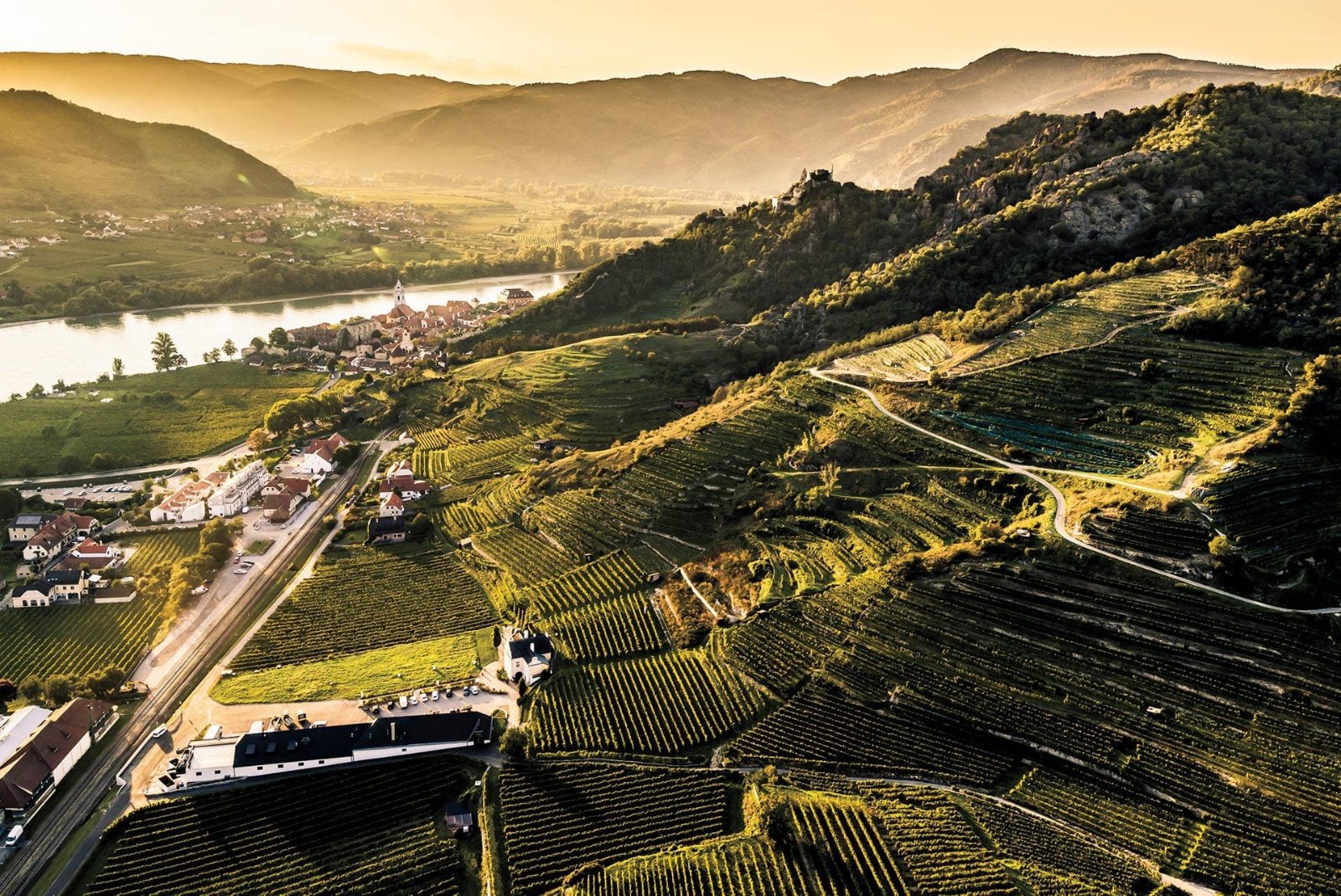
Known as the Tausend-Eimer-Berg, this vineyard has produced wine for generations and is a focal point of any wachau valley wine tour.
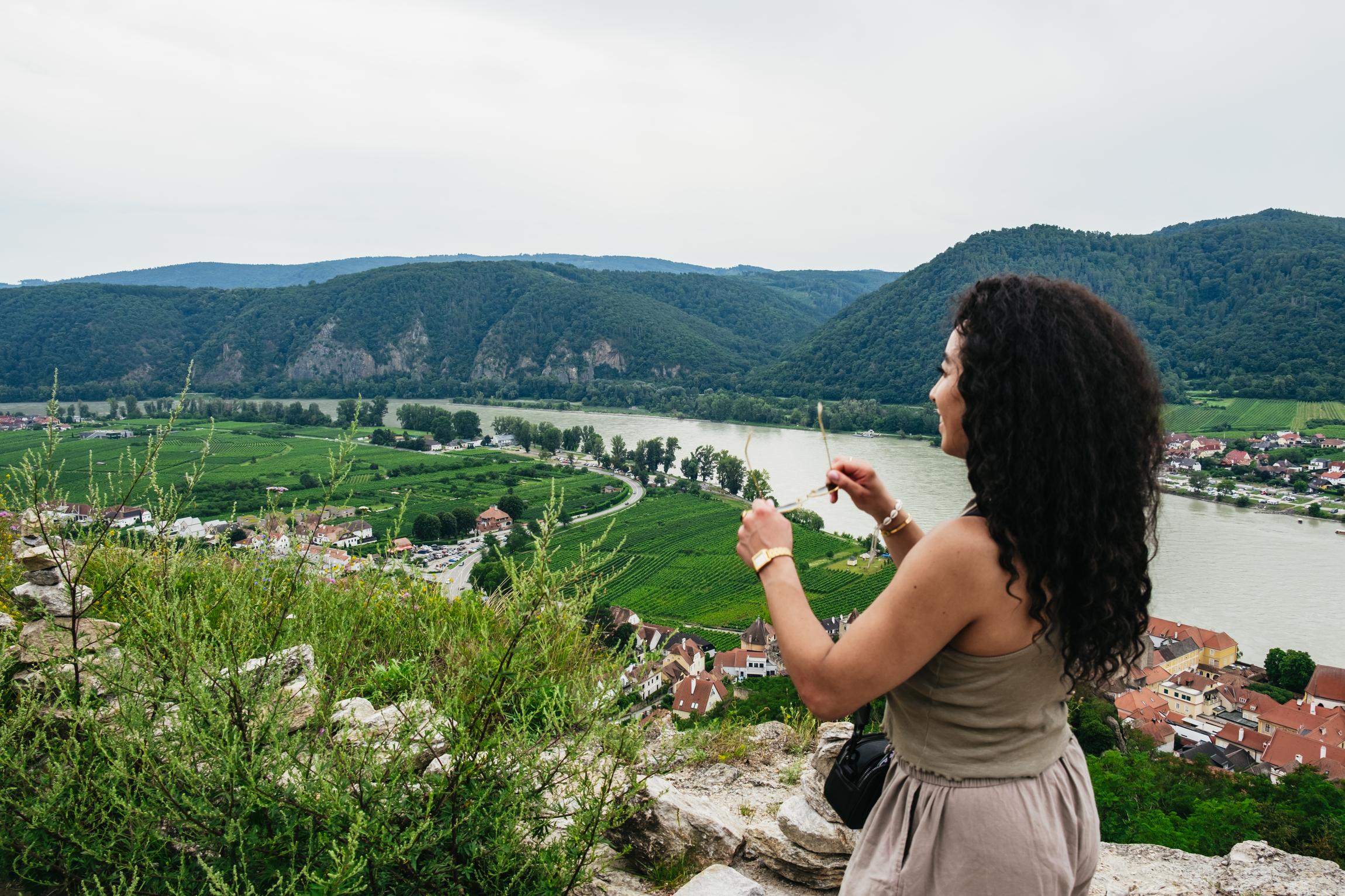
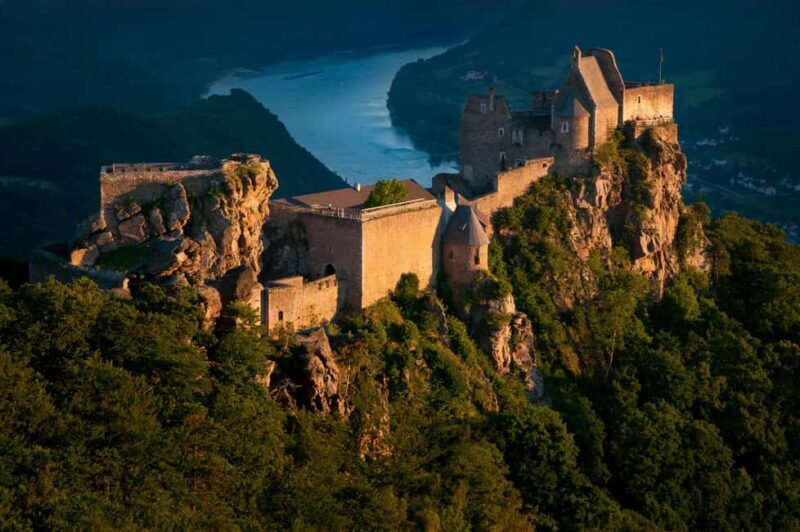
The elevated ruins of this medieval fortress provide a strategic vantage point for observing the surrounding wine-growing valley.
You board your transfer in Vienna's city centre at 09:00, following the Danube west through the Wienerwald hills. The valley opens before you after 90 minutes, revealing terraced vineyards stacked above the river in horizontal bands of green.
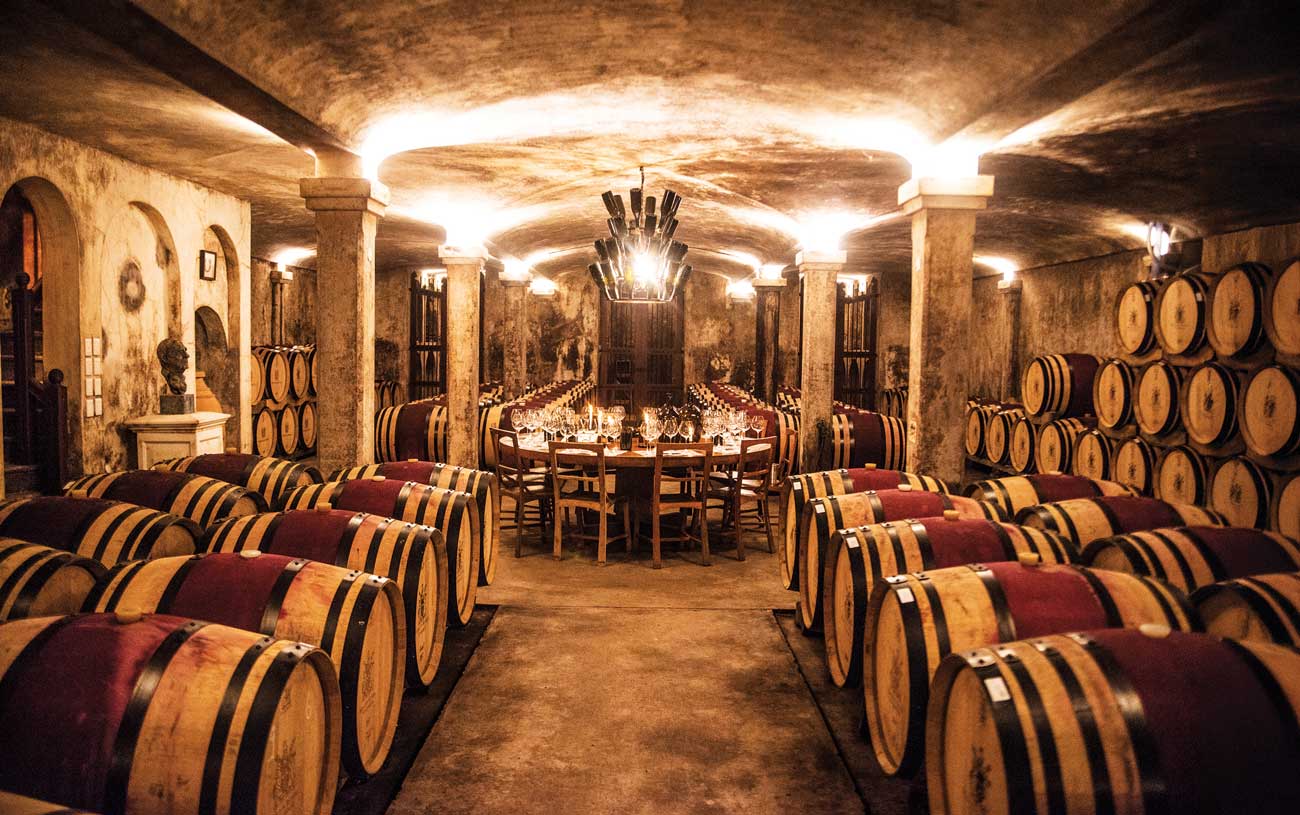
Your first stop is a family estate in Weißenkirchen, where the winemaker leads you down stone steps into a barrel cellar cut from granite in 1640. The tasting begins with a Grüner Veltliner Federspiel, its white-pepper notes sharp against the cool cellar air, followed by a Riesling Smaragd aged 18 months in neutral oak.
You continue to Dürnstein, where cobbled lanes climb past apricot-painted facades toward the ruined castle above the town. The second winery occupies a 15th-century vintner's house, its tasting room lined with bottles spanning four decades. You sample six wines, each paired with valley-grown apricots, walnuts, and aged mountain cheese. The winemaker explains the Codex Wachau categories while pouring a late-harvest Riesling with 13 percent alcohol and residual sugar held in check by river-valley acidity.
Your final visit takes you to a hillside estate near Spitz, where rows of Grüner Veltliner climb 200 metres above the Danube. You walk between the vines, the river visible in silver segments through the leaves. The tasting concludes on a terrace overlooking the valley, your guide opening a Smaragd reserve as the afternoon light angles across the water. You return to Vienna by 17:30, four bottles secured in your bag.
All the details about your upcoming adventure in one place
A wachau valley wine tour reveals Austria's UNESCO-listed wine region through vineyard visits and cellar tastings along the Danube River. Most wachau valley wine tour tours include stops at family-run wineries producing Grüner Veltliner and Riesling, with terraced vineyard views and medieval abbey sightings. Wachau valley wine tour tickets typically cover transport, three to four winery tastings, and expert commentary on viticulture traditions dating back to Roman times.
The Wachau Valley produces 4.2 million litres of wine annually from 1,350 hectares of steep terraces carved into the Danube's northern bank between Melk and Krems.
The region's distinctive microclimate — continental weather moderated by the river — creates ideal conditions for Grüner Veltliner and Riesling, the two varietals that account for 85 percent of the valley's output. Vines here grow at gradients reaching 60 degrees, requiring hand-harvesting on slopes where mechanization remains impossible.
Monastic orders established the first documented vineyards in the valley during the 9th century, when Benedictine monks at Melk Abbey began cultivating plots that now fall within the Wachau DAC appellation. The region's stone terraces, many dating to the 12th century, retain daytime heat and release it slowly after sunset, extending the growing season by up to three weeks compared to flatland sites. This thermal regulation allows late-harvest styles to develop concentrated sugars without losing acidity, a balance that defines the valley's signature wines.
Today, 240 family-run wineries operate within the 36-kilometre valley corridor, with 90 offering direct cellar visits. The Wachau valley wine tour infrastructure spans half-day guided tastings departing from Vienna, self-guided cycling routes linking production estates, and private transfers between flagship wineries in Dürnstein, Weißenkirchen, and Spitz. Most cellars maintain original barrel rooms hewn from Danube granite, with vaulted ceilings reaching four metres and constant temperatures of 12 degrees Celsius year-round.
The Codex Wachau, a voluntary quality standard adopted by 200 producers in 1983, divides wines into three ripeness categories — Steinfeder, Federspiel, and Smaragd — based on must weight and alcohol levels. This classification system, unique to the valley, allows visitors to navigate tasting menus by body and intensity rather than vintage alone. The region's viticultural heritage earned UNESCO World Heritage designation in 2000 as part of the broader Wachau Cultural Landscape, recognizing both the agricultural ingenuity of its terraced slopes and the architectural continuity of its medieval villages.
Vines grow at gradients reaching 60 degrees, requiring hand-harvesting on slopes where mechanization remains impossible.
Sturdy walking shoes are recommended for navigating vineyard terrain during a wachau valley wine tour. Layers are advised for changing temperatures in the Danube valley.
Small daypacks are suitable for personal items during your Wachau Valley wine tasting tour. Large luggage should be left at your accommodation as facilities for storage are limited at regional transit hubs.
Personal photography is permitted throughout the Wachau Valley wine tour locations. Commercial filming or drone usage requires prior written authorization from local municipal authorities.
The Wachau Valley region is generally welcoming to families. However, ensure that any selected wachau valley wine tour tour includes non-alcoholic options for younger participants.
Vineyard access varies significantly between historic estates and modern tasting rooms. Travelers requiring assistance should verify specific facilities before purchasing wachau valley wine tour tickets.
External food and beverages are generally prohibited within private winery tasting rooms. Visitors should consume personal supplies outside these establishments during their wachau valley wine tour.
Opening Hours
09:00–17:30
Address
Kremser Straße 5, 3390 Melk, Austria
Regional Access
Free entry to the region; individual wineries and attractions charge separately.
Best Arrival
09:00–15:00 — Early arrival avoids peak afternoon crowds and allows sufficient time for regional exploration.
Storage
Not available at the central contact point.
Navigation
Official site: https://www.donau.com
Public transport · 1.5h · 10–20 EUR
Regional trains connect Vienna to Melk and Krems regularly. Use the local bus network to navigate between specific villages.
Car · 1.25h · Parking fees vary by location.
Access via the A1 motorway is efficient for exploring the region independently.
Cancellation policies depend on the specific winery or operator chosen for your wachau valley wine tour. Standard bookings typically require 24-hour notice for a full refund of any pre-paid service fees, as regional entry is 0 EUR.
Recommended time
6-8 hours
A comprehensive wachau valley wine tour generally requires a full day to properly experience the terraced vineyards and local cellars. Visitors often underestimate the travel time between villages, so plan for extended stays if you intend to participate in formal wachau valley wine tour tours. Securing wachau valley wine tour tickets in advance for specific tastings helps manage flow, as popular estates experience increased density during the afternoon hours.
Crowd levels through the day
Weather · crowds · average price — dots go green to amber to red as each metric rises.
Mild temperatures and blossoming apricot trees define the season. Ideal for cycling through the Wachau landscape.
Warm weather with long daylight hours for vineyard exploration. Peak season for regional wine festivals.
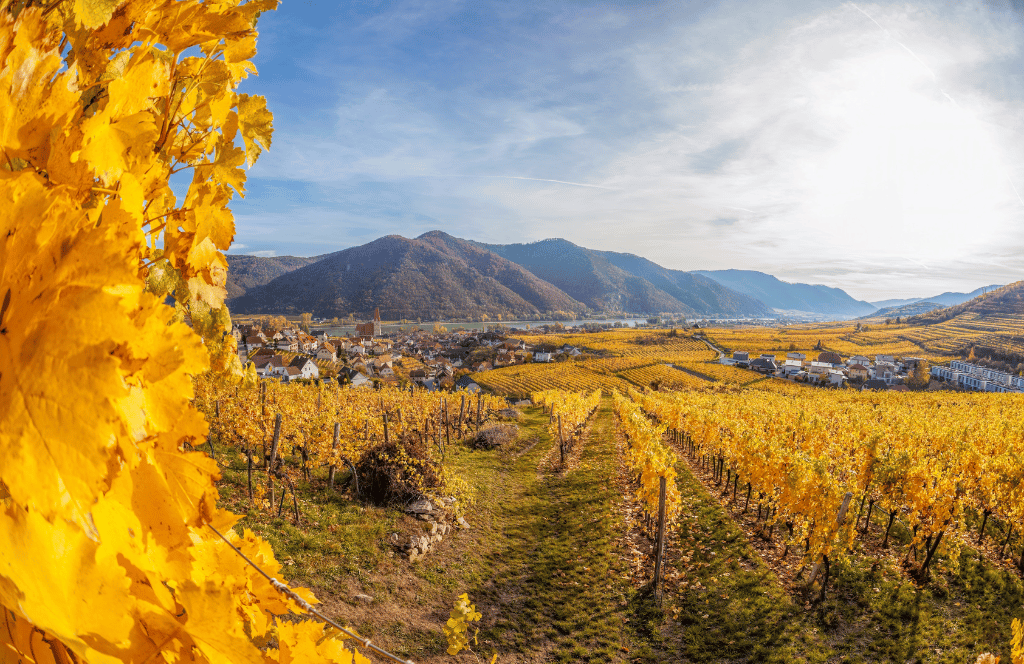
Harvest season brings vibrant foliage and active wine production. September and October are perfect for the wachau valley wine tour experience.
Cooler weather with reduced activity in the vineyards. Many smaller wineries operate on limited schedules.
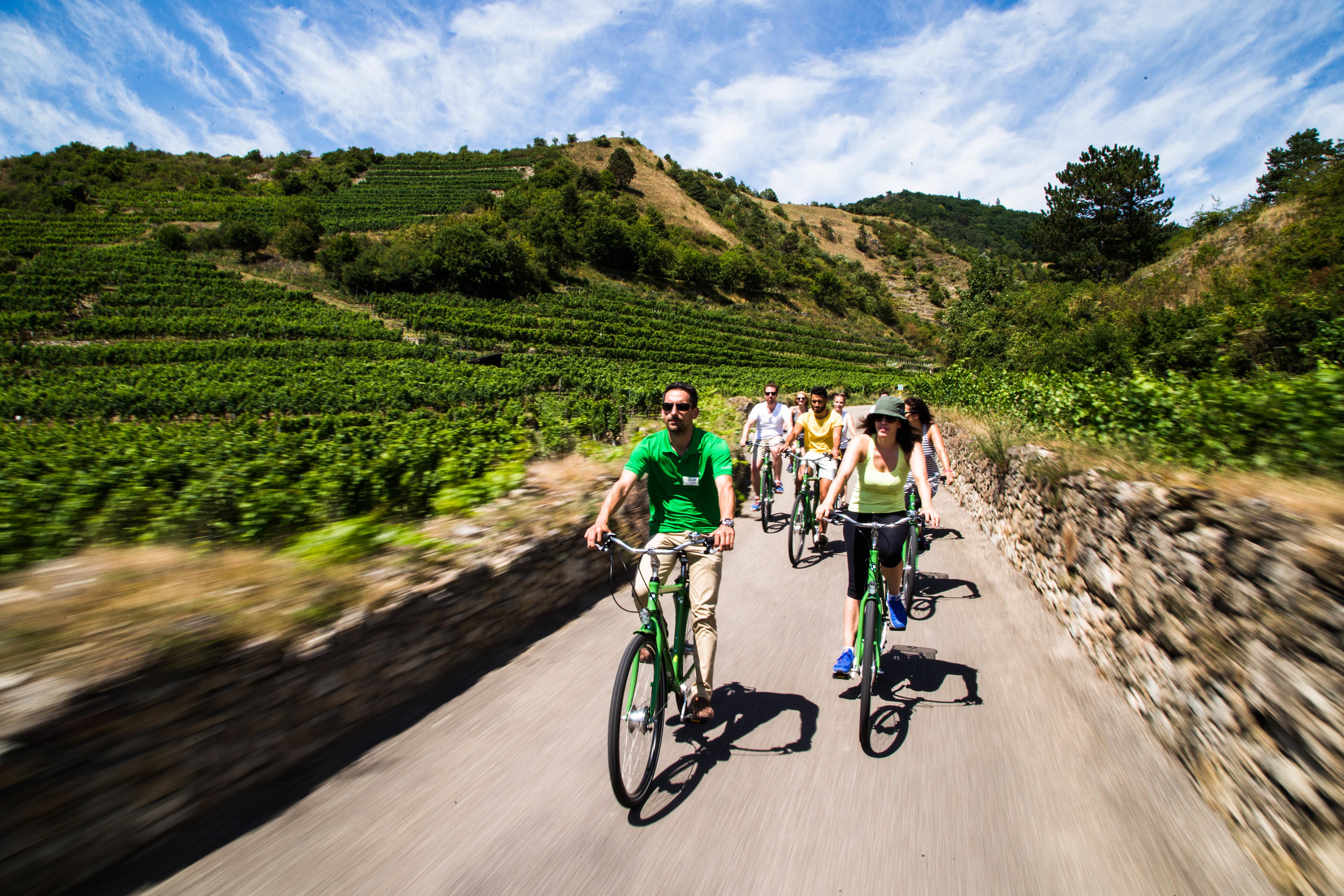
Rent a bike to experience the Wachau valley wine tour route at your own pace. The path along the river is flat and offers excellent views of the terraced vineyards.
Secure your spot for a wachau valley wine tour at local estates by calling ahead. Many small producers do not accept walk-ins during peak harvest months.
Utilize the regional train lines to visit multiple towns without worrying about road navigation. It is the most reliable way to complete your wachau valley wine tour tours efficiently.
Confirm specific winery hours as they often change seasonally. Use the official site to plan your wachau valley wine tour tour effectively.
Kremser Straße 5, 3390 Melk, Austria
Main office for regional information.
Get directionsBenedictine monks from Melk Abbey planted the first documented vines on the Wachau's steep terraces in the ninth century, exploiting the Danube's microclimate and primary-rock soils. By 1180 the Kuenringer dynasty had fortified Dürnstein and encouraged viticulture as a strategic revenue source, exporting wine downriver to Vienna and Passau. The region survived the Ottoman siege of 1529 and the Thirty Years' War, though many vineyards reverted to scrub. Empress Maria Theresa's 1780 cadastral reforms codified parcel boundaries and tax obligations, stabilizing land tenure and encouraging replanting of Grüner Veltliner and Riesling clones suited to the gneiss and loess slopes. Phylloxera reached the valley in 1890, destroying two-thirds of the rootstock within a decade. Growers grafted European vines onto American rootstock and by 1910 had restored production, though cooperative wineries replaced many small family cellars. The Danube freezes of 1929 and 1956 killed vines outright, forcing a shift to hardier Grüner Veltliner strains. In 1983 the Austrian wine scandal—diethylene glycol adulteration—collapsed exports overnight. Wachau vintners responded by founding the Vinea Wachau in 1983, codifying the Steinfeder, Federspiel, and Smaragd classifications based on must weight and dry-finish standards. This self-regulation restored international confidence and by 2000 the wachau valley wine tour had become synonymous with quality. UNESCO inscribed the cultural landscape in 2000, recognizing the continuous interaction between terraced viticulture, Danube navigation, and baroque settlement patterns. Today visitors on wachau valley wine tours trace routes established by medieval merchants, tasting wines from parcels first documented in twelfth-century abbey ledgers. The region's 1,350 hectares remain hand-harvested due to slope angles exceeding forty degrees, preserving techniques that link modern Riesling and Grüner Veltliner production to the monastic origins of Austrian winemaking.
Benedictine monks from Melk Abbey establish the first documented vineyards on Wachau terraces.
Kuenringer dynasty fortifies Dürnstein and promotes wine exports to Vienna and Passau.
Maria Theresa's cadastral reforms codify parcel boundaries and stabilize land tenure for viticulture.
Phylloxera destroys two-thirds of rootstock; growers adopt American rootstock grafting techniques.
Severe Danube freezes kill vines, accelerating shift to hardier Grüner Veltliner strains.
Austrian wine scandal triggers collapse; Vinea Wachau founded to implement Steinfeder, Federspiel, Smaragd standards.
UNESCO inscribes Wachau as a cultural landscape, recognizing terraced viticulture and baroque heritage.
Region sustains 1,350 hectares of hand-harvested vineyards, anchoring premium wachau valley wine tour offerings.
Stand at the highest point of these medieval remains to frame the Danube River snaking through the village below. This location is a highlight during any Wachau valley wine tour where the blue tower of the Abbey provides a perfect focal point.
Walk along the public paths mid-slope to capture the steep, man-made stone walls supporting the Riesling vines. This perspective offers excellent depth and texture for your Wachau valley wine tour tours photo collection.
Position yourself at the northern stone balustrade for an elevated view overlooking the river valley and surrounding landscape. It is recommended to secure your Wachau valley wine tour tickets in advance for easier site access.
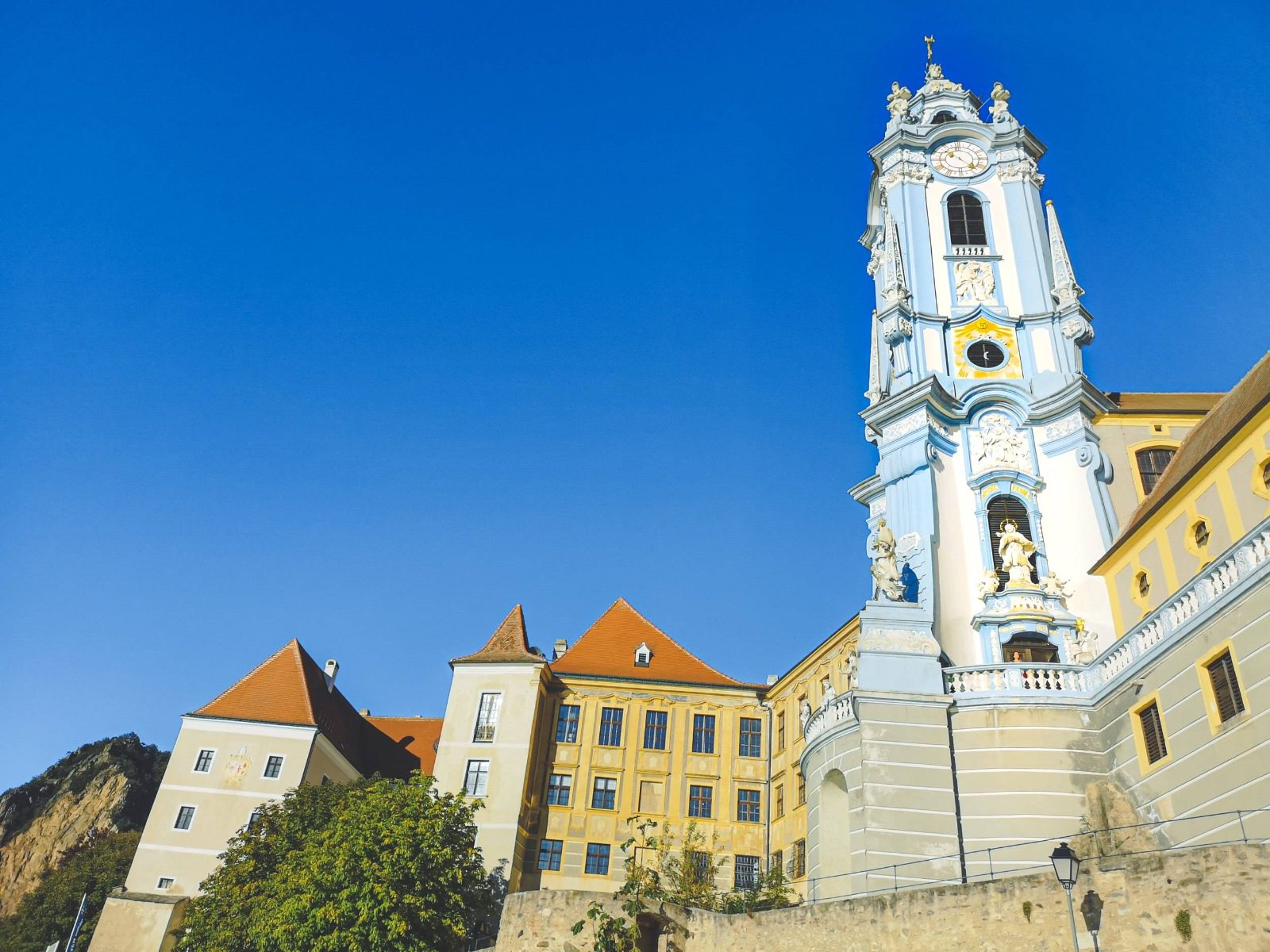
Capture this landmark from the cobblestone streets of the village center, looking upward to frame the baroque architecture against the sky. This classic Wachau valley wine tour tour motif captures the local heritage.
Exploring a wachau valley wine tour near Kremser Straße 5 allows visitors to enjoy authentic regional cuisine at traditional taverns known as Heuriger. These estates offer the perfect atmosphere to sample local Riesling and Grüner Veltliner paired with seasonal vineyard plates.
This family-run estate provides a quiet setting to enjoy regional delicacies alongside their own bottled harvests. It is an ideal stop for those seeking a slower pace during their wachau valley wine tour tours.
Real experiences from real travelers
We joined a wachau valley wine tour in late August and the vineyards were already starting their color transformation. Our guide explained the difference between the Grüner Veltliner and Riesling terroirs while we sampled both varieties at three family-run cellars. The Danube views from the Dürnstein hillside were particularly clear that afternoon.
The tour took us into cellars not typically open to walk-in visitors. Each winemaker shared their fermentation philosophy and we tasted vintages dating back five years. The contrast between the mineral Federspiel and fuller Smaragd styles became much clearer through direct comparison.
Our small group cycled between three wineries along the Danube cycle path, stopping for tastings at each. The September weather was mild and the riverside villages like Weißenkirchen retained their medieval character. Lunch featured apricot dishes from local orchards paired with a dry Riesling.
The wachau valley wine tour covered both north-facing and south-facing vineyard sites, showing how exposure affects the wine profiles. We visited Spitz, Dürnstein, and a smaller estate near Loiben. The only downside was the group size of fourteen, which made the cellar spaces feel crowded.
Our guide grew up in Weißenkirchen and knew each vintner personally. The tour included a walk through terraced vineyards where she explained the dry-stone wall construction and the Wachau DAC classification system. Tasting notes were detailed without being pretentious.
We booked wachau valley wine tour tickets through a local operator and visited four estates in one afternoon. The price included all tastings plus a cheese platter at the final stop. The Danube cruise connection made logistics simple, and the sunset view from the boat complemented the wine perfectly.
Each winemaker opened library bottles not listed on their standard tasting menu. The stone cellars maintained a cool temperature even during the July heat. One producer demonstrated their traditional press, which is still used for special Riesling cuvées.
The steep vineyard slopes in the Wachau require all harvesting to be done by hand, which the tour explained in detail. We sampled wines at different price points and the quality remained consistent. The apricot brandy at the final estate was a pleasant surprise.
Our group of six spent an unhurried afternoon moving between estates in Dürnstein and Spitz. The winemakers took time to answer technical questions about yields and aging. The terraced vineyards created dramatic backdrops for photos throughout the day.
The wachau valley wine tours we researched all followed similar routes, but our operator included a stop at a family estate that just opened to visitors this year. Their Grüner Veltliner from the Loibenberg site showed remarkable complexity for a young wine. The return timing allowed us to catch the evening train to Vienna.
Everything you need to know for your journey
The region is open daily, though individual sites operate within the 09:00–17:30 window; Sunday hours end at 15:00.
Entry to the Wachau region is free, but individual wachau valley wine tour tickets are required for specific tastings and cellar access.
Accessibility varies significantly; please verify site-specific conditions for your chosen wachau valley wine tour before arrival.
The best time for a wachau valley wine tour is during the harvest season in September and October, when the scenery is vibrant.
Yes, personal photography is permitted throughout your wachau valley wine tour.
Policies vary by operator; check your booking confirmation for specific refund terms regarding the 0 EUR regional entry fee.
External food is generally restricted; please use public spaces during your wachau valley wine tour.
You can reach the area via regional trains or car, with arrival between 09:00–15:00 recommended to avoid crowds.
Children are welcome in the region, but confirm that your selected wachau valley wine tour tour provides suitable options for minors.
Melk Abbey and Aggstein Castle are excellent additions to your wachau valley wine tour itinerary.
A massive Baroque Benedictine abbey overlooking the Danube river.
The ruins of this medieval fortress offer panoramic views of the valley.
A charming village known for its historic central square and vineyards.
Historic castle hotel situated directly above the Danube river.
Traditional guesthouse located in the heart of the valley.
Provides a wide range of accommodation options from budget to boutique.
Join thousands of happy travelers who have discovered this incredible experience
Book Your Experience Now